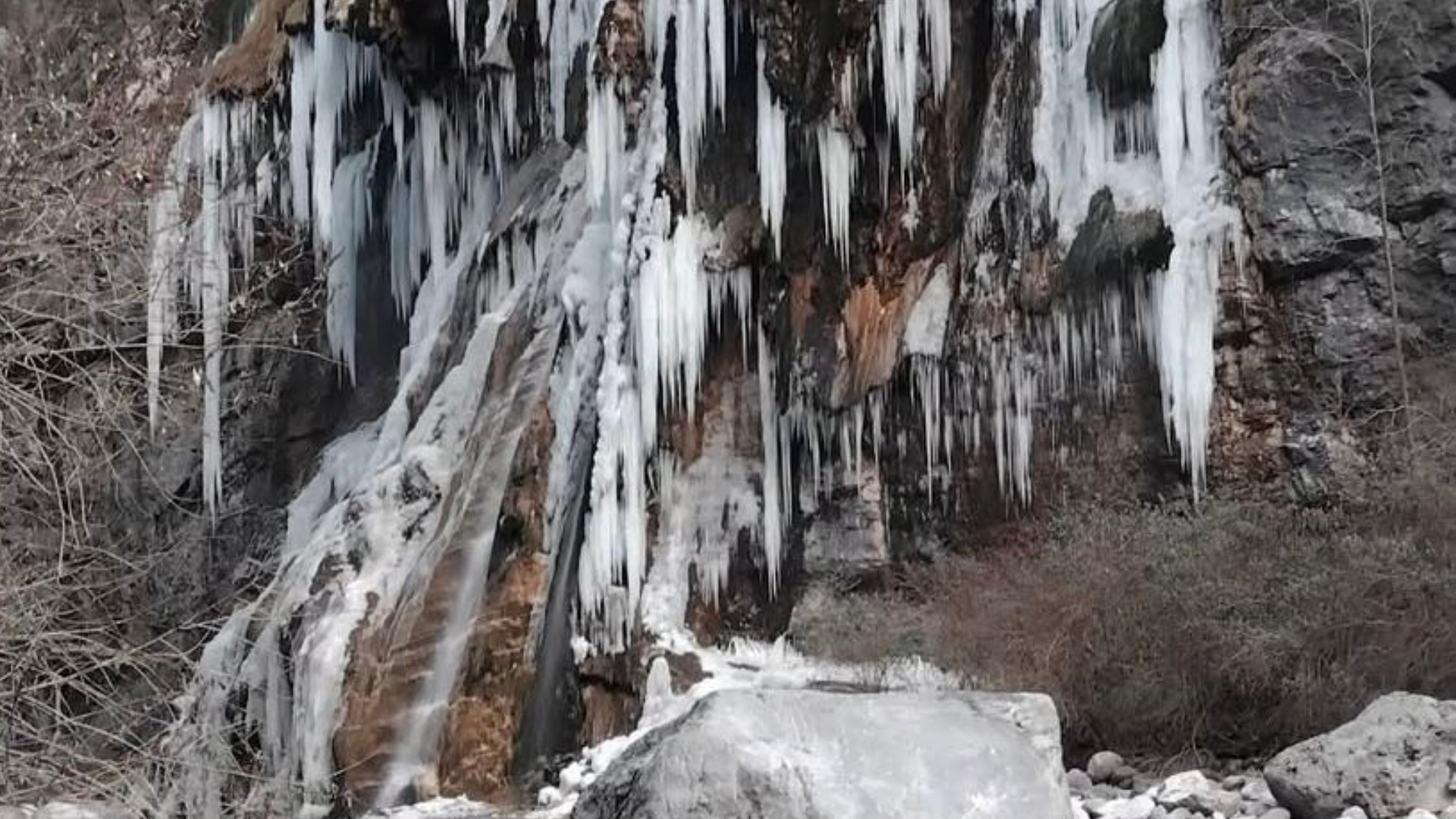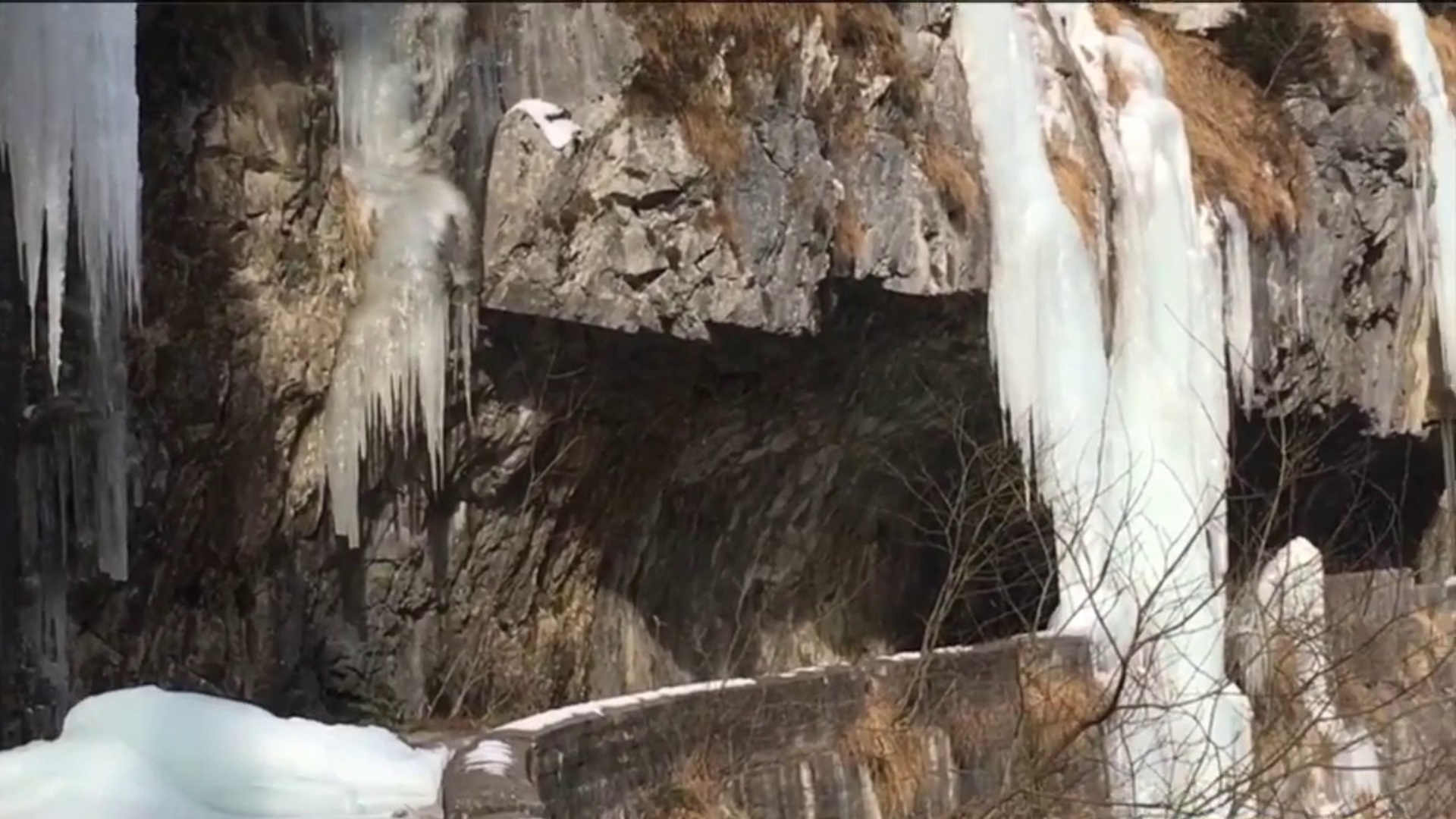


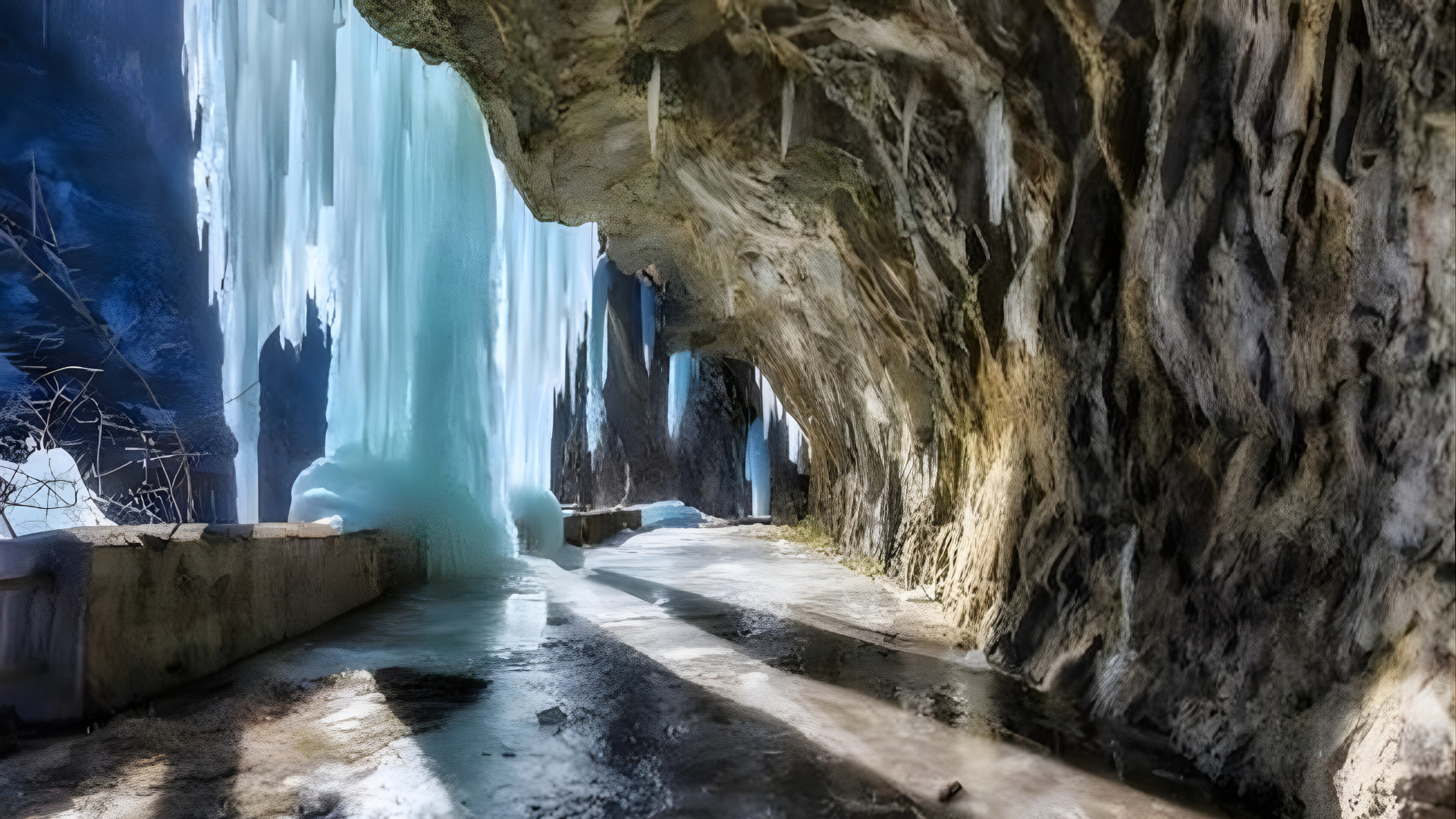
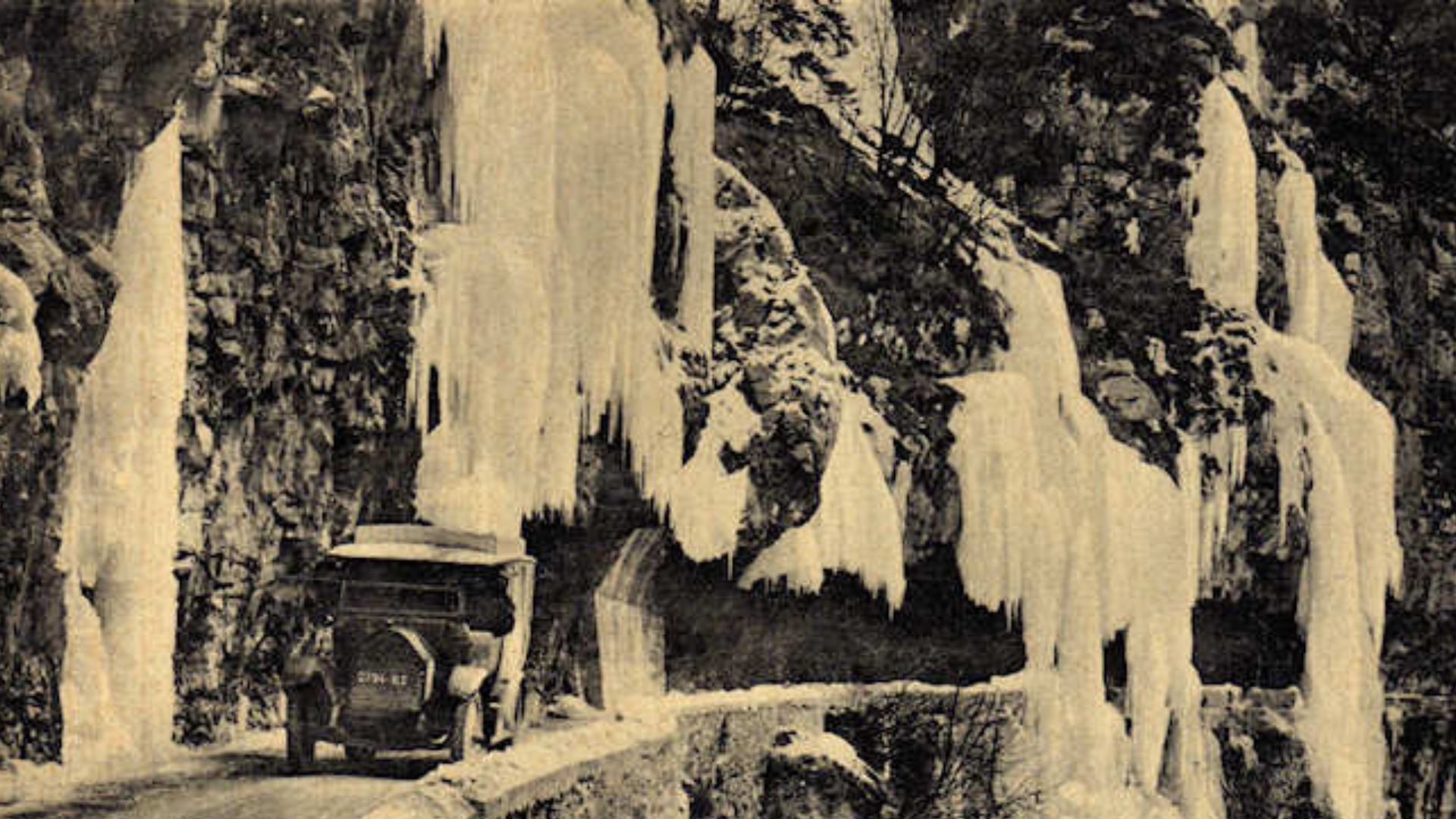
The iced Waterfall in Via Mala in winter
*According to the current ordinance issued by the municipality of Colere, part of the old Via Mala road is closed to the public due to the danger of falling rocks. Visitors are therefore advised, for their own safety, to act responsibly if they intend to proceed beyond the limit indicated in the ordinance.*
The Via Mala in the Scalve Valley is one of the most evocative natural sites in Lombardy, a deep gorge carved out by the Dezzo stream and surrounded by dolomite and limestone walls that tell millions of years of geological history.
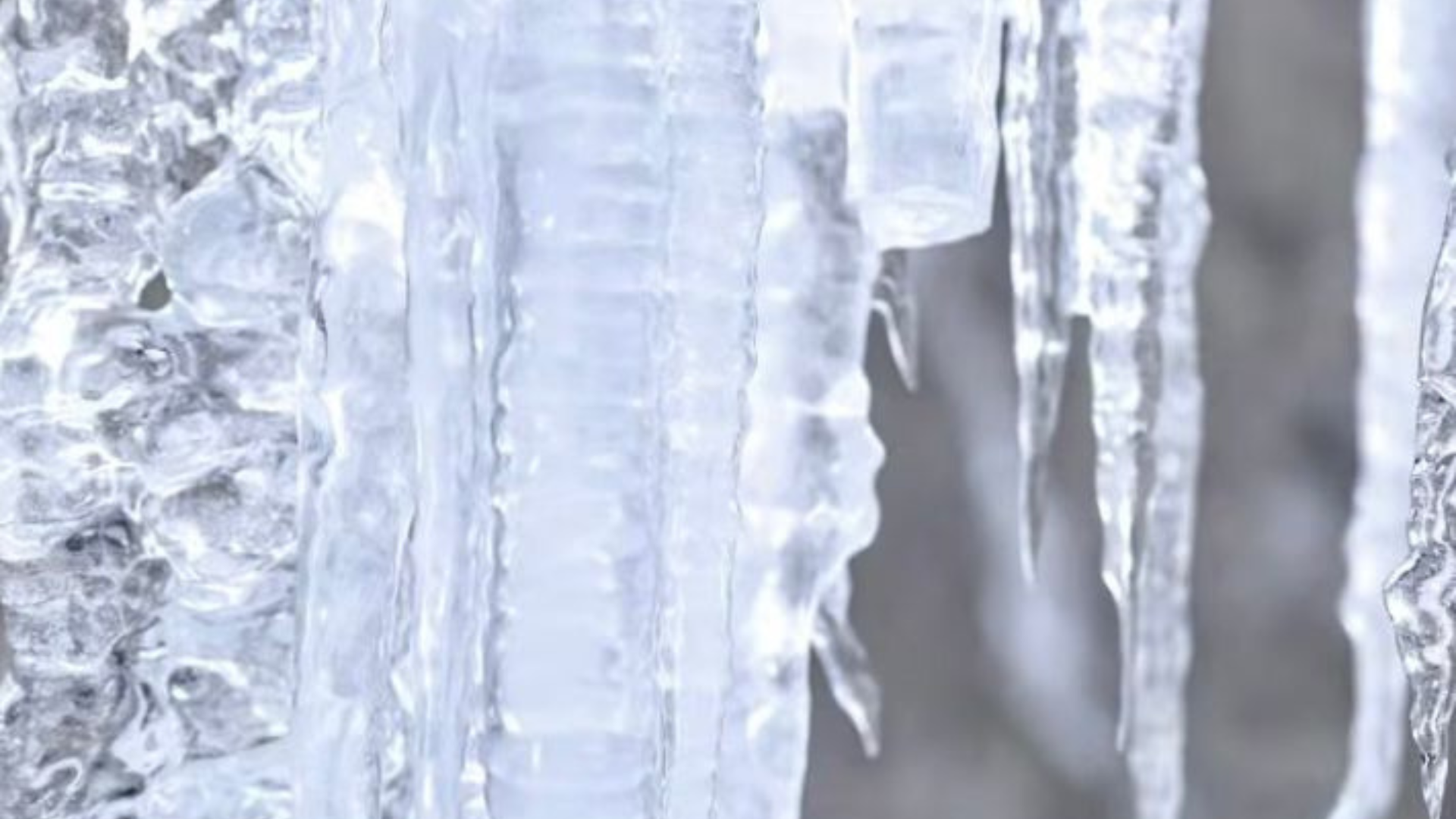
In winter, when temperatures remain below zero for prolonged periods, this gorge is transformed into a veritable ice kingdom: ice stalactites and stalagmites emerge from the rock walls, vertical flows and frozen waterfalls create a unique and transient natural spectacle, made possible by the particular location of the area.
It is a perfect environment for ice climbing enthusiasts, who find climbing routes of varying difficulty directly on the natural formations created by the waters in winter, but also for those who want to come and admire these wonderful formations created by nature.
Itinerary:
Today, it is possible to walk along part of the old Via Mala road (once regularly used by cars and lorries!), climbing step by step along the walls of the gorge. The part of the route open to the public is protected by railings and allows you to admire the gorge and the vertical rock faces up close, while the Dezzo riverbed winds beneath your feet. Here, you can also experience the thrill of walking on a glass walkway suspended in mid-air.
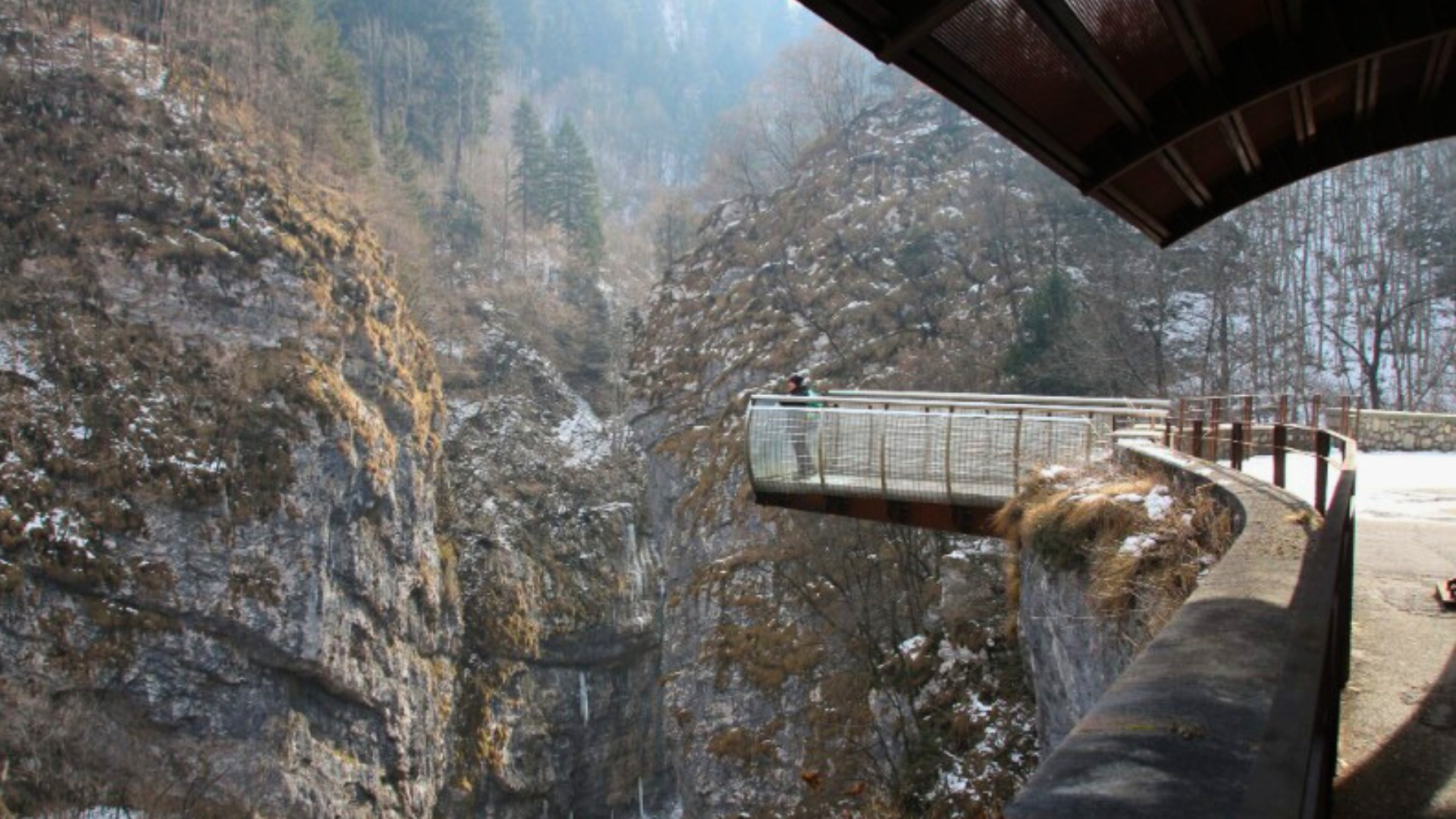
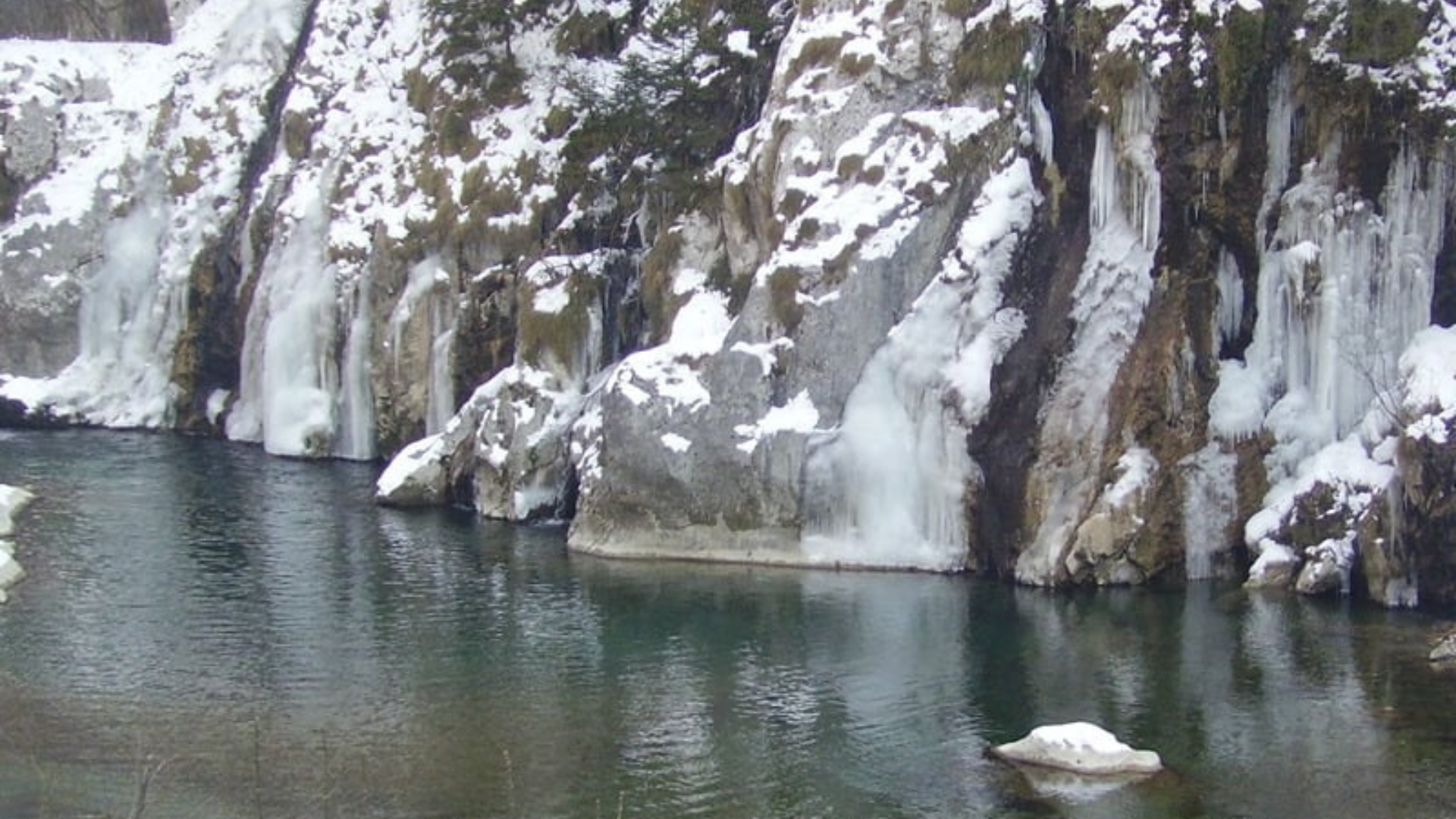
The road continues for several kilometres, but it is officially closed to the public due to an order issued by the municipality of Colere because of the risk of falling rocks. However, it is possible to admire the ice formations by descending directly to the Dezzo River along the path that leads down to the river from the car park. In about ten minutes on foot, you can enjoy the beauty of the ice falls from below and the width of the gorge carved out by the river.
Important information and tips for visitors:
- When to go: the best time to see the ice falls is during the coldest part of winter (usually from January to the end of February), when the water freezes, creating spectacular formations.
- Access: the site can be reached by taking the SP294 road in Val di Scalve, the Via Mala, which is accessible by car and connects Valle di Scalve (Dezzo) with Valle Camonica (Angolo Terme). It is advisable to park at the designated points after the tunnels and continue on foot from there. For convenience, you can set your satnav to these coordinates: COORDINATES HERE
- Safety: as the routes are natural and in a winter environment, it is important to assess the ground conditions and equip yourself with suitable footwear and, where necessary, crampons or technical equipment for ice climbing.
- Snacks and food: right at the start of the route in Via Mala, you can stop for a coffee, lunch or snack at the Canyon Bar. Hospitality is guaranteed here!
History and interesting facts about the Via Mala:
The ancient Via Mala straddles the provinces of Bergamo and Brescia and is one of the most scenic and spectacular mountain roads in Europe, a treasure trove of natural resources and guardian of centuries of history. The road, built in 1861 to replace a pre-existing medieval route used to transport minerals, owes its name – Via Mala, or “bad road” – to the difficulties and vertigo it imposed on travellers in the past.
In the past, the road was often impassable: with the spring and autumn rains or summer storms, rivers of water poured down from above, carrying mud, stones and boulders with them, while in winter the snow dumped from the Presolana and Visolo gullies blocked the Via Mala.
In the 1960s, the first avalanche tunnels were built and there were no more interruptions. Subsequently, the construction of other tunnels made the road safer and more passable, rendering the wonders of the Via Mala no longer visible to those passing by in cars. The charm of its dizzying precipices was soon forgotten. Today, the name “Via Mala” still evokes the wild and daring character of the place, but also its extraordinary and timeless beauty.
More ancient postcards here: