

Calchere-lime klins
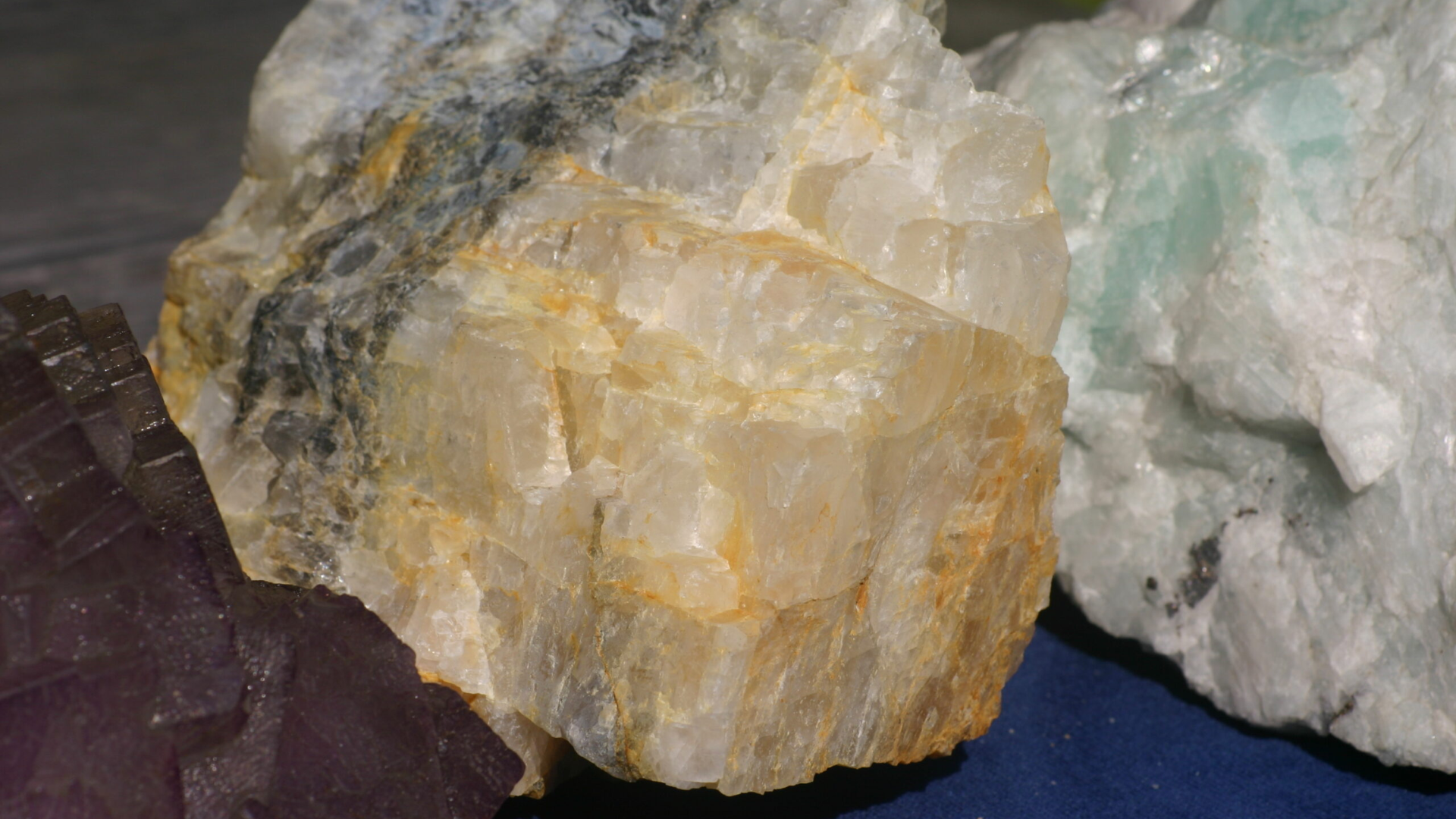
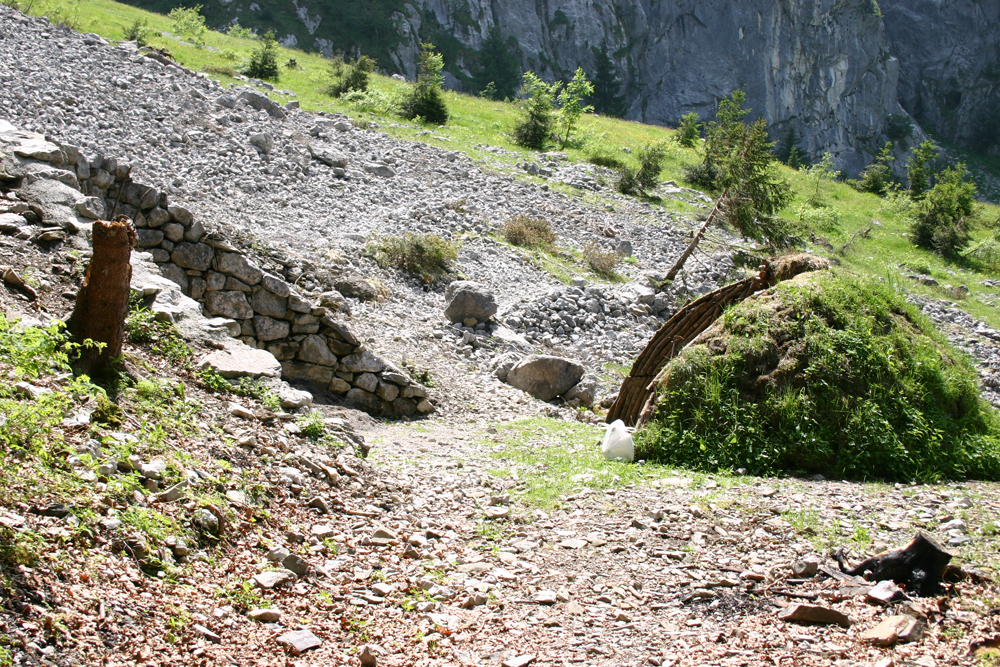
The lime kilns were small “factories,” a type of furnace that produced lime in limited quantities. Lime is obtained by “burning” limestone at temperatures around 800°C.
Since ancient times, lime has been primarily used in construction, as a binder for masonry structures, for plastering and stuccoing walls, also thanks to its bactericidal properties.
However, the uses of lime are numerous, even today.
In most cases, a lime kiln was built to meet the needs of a single factory, family, or neighborhood. Very often, it was abandoned (or dismantled) at the end of the work.
It was not a widely used production method – partly because large construction projects were limited – but it was part of the subsistence economy of the Valley.
Indeed, for the most isolated mountain communities, importing materials involved high transportation costs and sometimes very long waiting times. Therefore, the geography of the area made it necessary to be as self-sufficient as possible, at least regarding the production of primary goods.
Even though lime production was not limited to Val di Scalve, it is interesting how each area followed specific architectural styles for building the lime kilns.
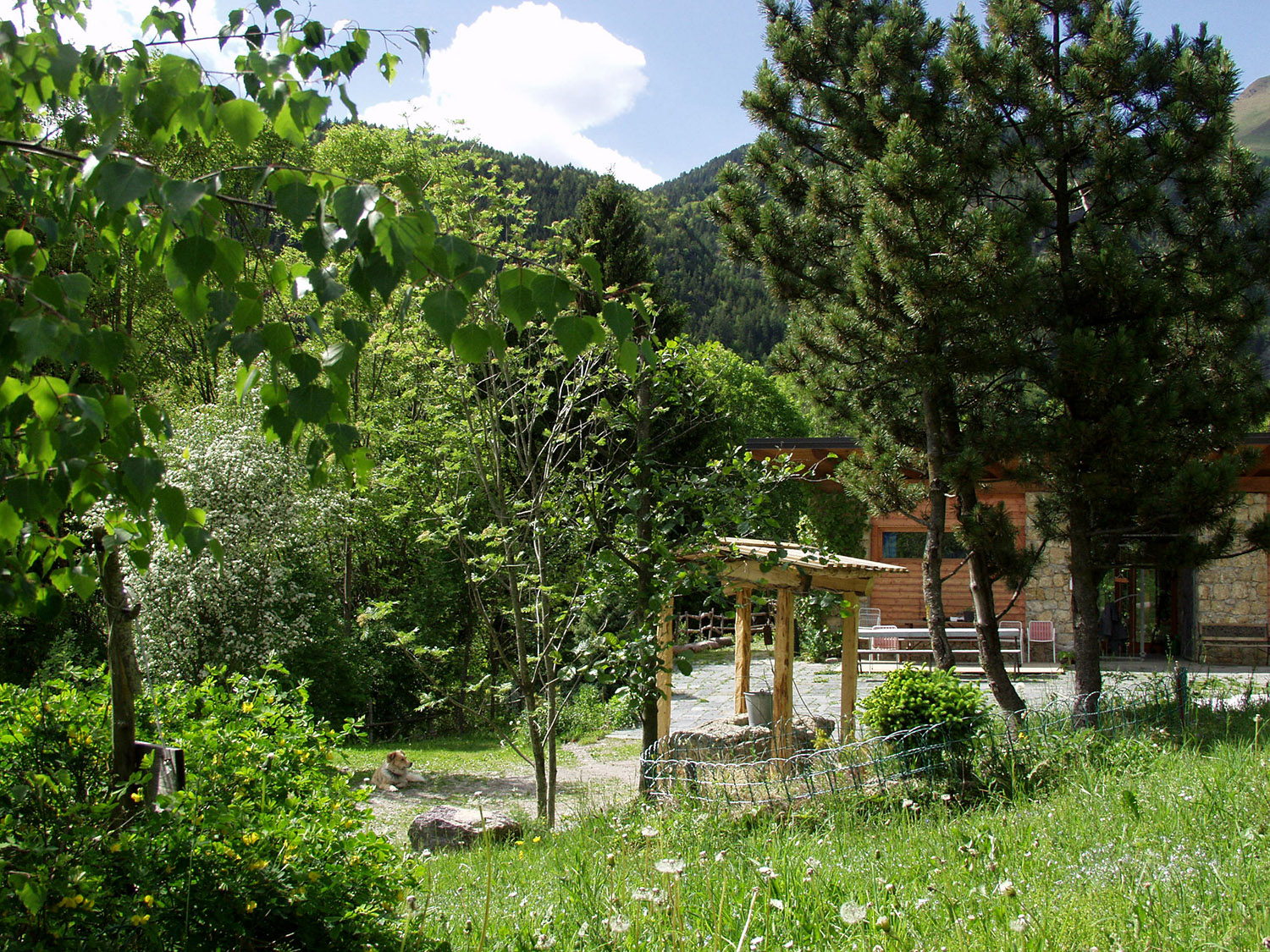
Throughout Val di Scalve, examples of lime kilns survive, with varying degrees of preservation. The best-preserved example (recently restored) is located in Località Pian di Vione in Colere.
Another well-preserved example can be found at the entrance of the Giovetto Woods Nature Reserve, near the Giogna stream.